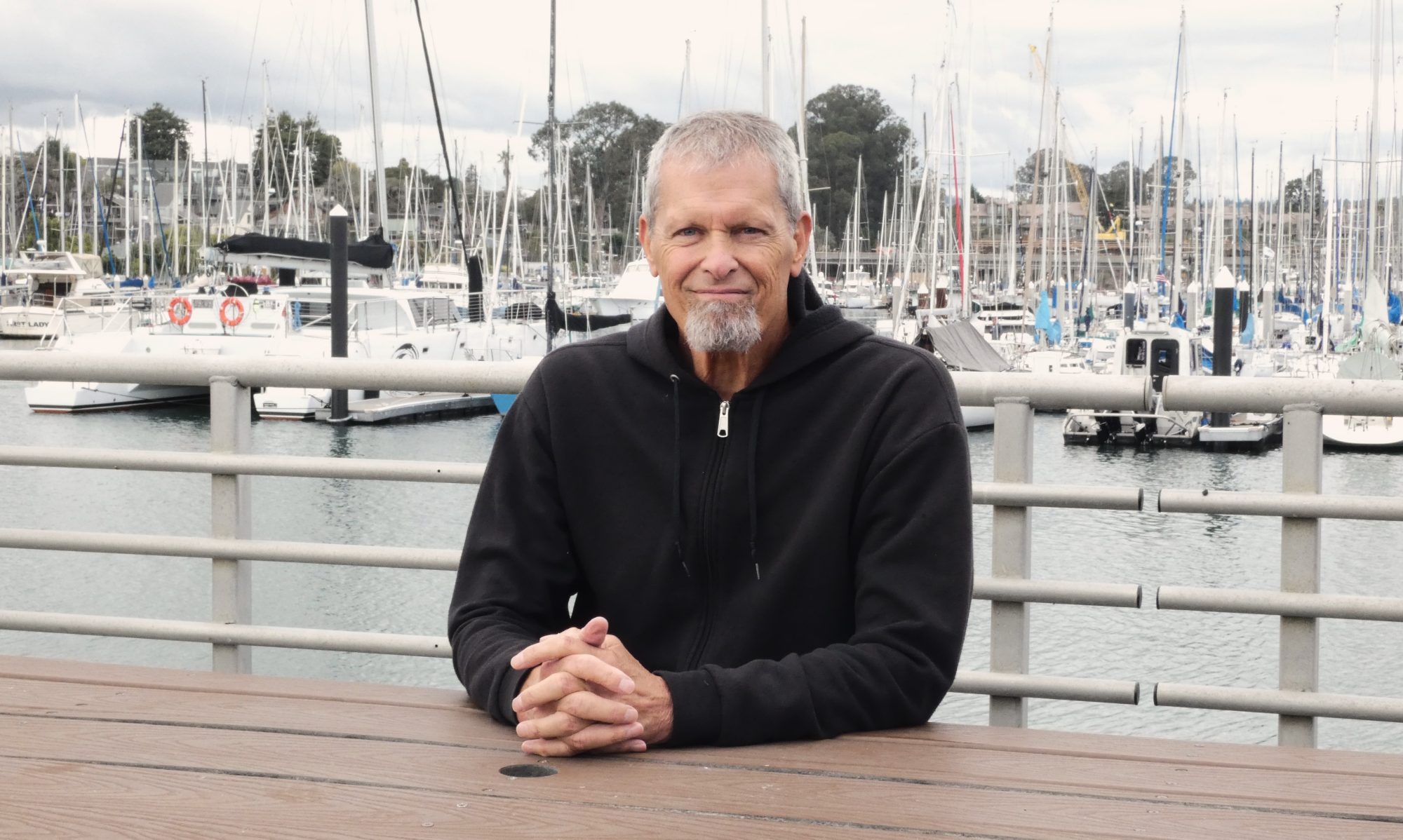
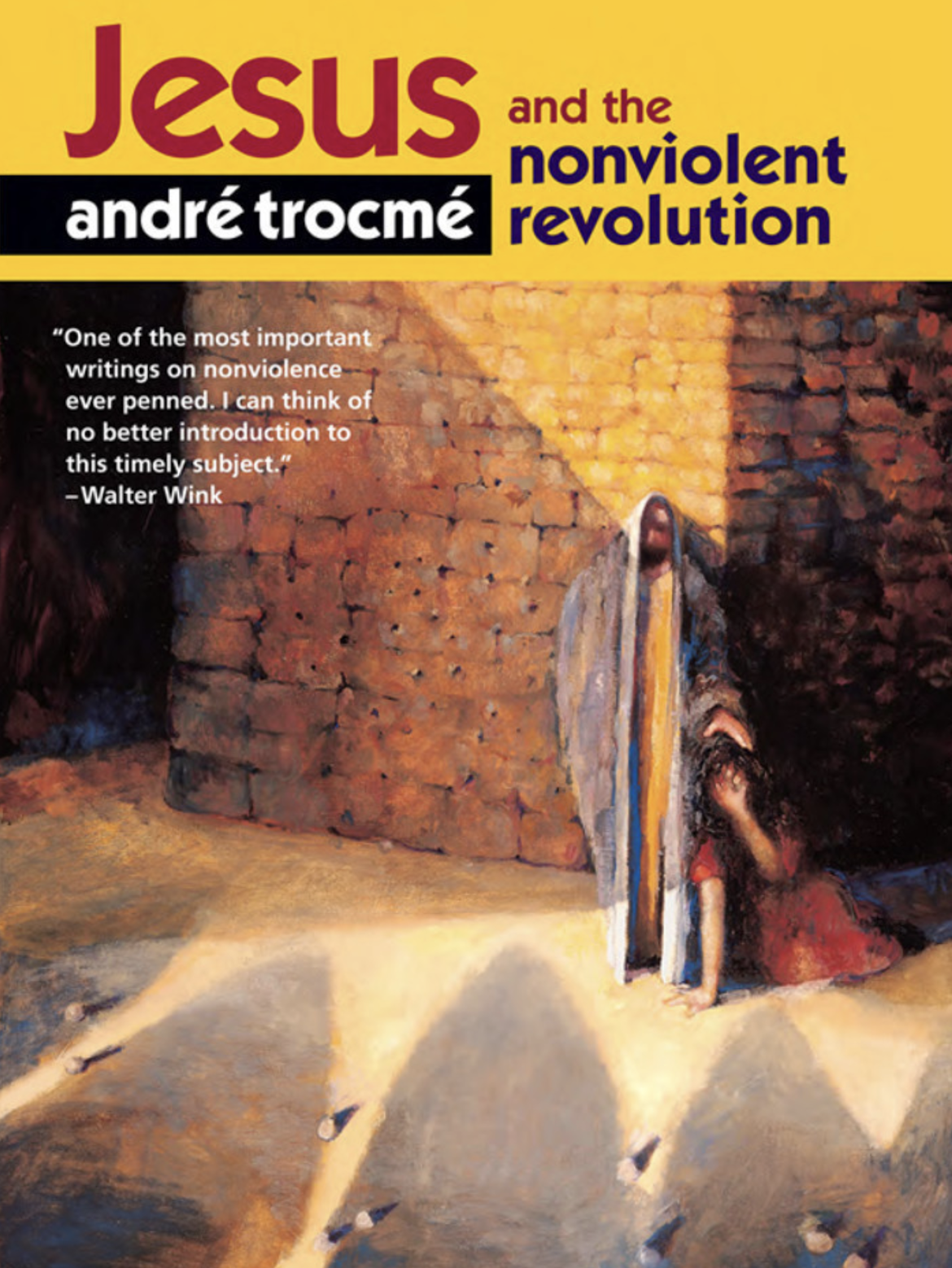
Please take just a few minutes to read this indicting passage by André Trocmé’s amazing book: Jesus and the NonAndré Trocméviolent Revolution. He and his wife saved thousands of Jews from the Nazis during World War II, for which they were named “Righteous among the Nations” by the Holocaust remembrance center Yad Vashem.
One might well imagine a scene at the Last Judgment, before the throne of God. There, side by side in the dock, are the state and the church. God addresses the state first, demanding an account of its crimes: “Why did you tolerate the exploitation of the poor? Why have you oppressed, persecuted, tortured, and murdered? Why did you make war on other nations, devastating their cities and killing by the millions?” The state will bow its head, knowing it has sinned, and will ask for pardon. It will also plead an extenuating circumstance. “The church here,” it will argue, “never translated your commandments into practical deeds. It never prophesied or showed the way. Instead it became rich. It became an institution where earthly concerns tempered its zeal. It collaborated with me and gave me its blessing. It was because of its blindness that I went astray. I accept your judgment, but also ask that the church be more severely condemned.”
Then God will turn to the church and say, “Why did you say nothing when you saw the rich in your midst exploiting the people? Why did you pretend not to know what the state was doing, how it was oppressing, imprisoning, and torturing?
“You were my chosen one, but you have renounced your vocation. You were charged with a special mission, but you cast it aside. Like Jonah, it was your fault that the storm broke loose and the ship almost foundered. If Jonah had not repented, Nineveh would not have heard his message, would not have repented, and would have been destroyed. Now you have not followed Jonah on the path of repentance, and because of you I am obliged to condemn the state.”

